



 常见问题
常见问题  登入成功
登入成功 
语言 欧洲语言
为什么学习法语/西班牙语/德语/意大利语/葡萄牙语/拉丁语/阿拉伯语/波兰语/瑞典语/俄语@HKUSPACE
欧洲语言
欢迎造访我们的欧洲语言网站
我们提供的语言课程除了有西班牙语、法语、德语、意大利语和葡萄牙语之外,也有一些坊间较少见的语言如瑞典语、芬兰语、荷兰文、阿拉伯语、希腊语、拉丁语、波兰语、葡萄牙语、俄语和土耳其语。
我们的证书课程为期 120 小时,大部分是持续进修基金(CEF)的认可课程,并设有期中和期末考试,包括笔试(听、读、写、文法和词汇)和口试。
此外,我们还提供30小时的短期课程,不设考试,让您能更轻松地尝试接触和简单学习目标语言,例如针对旅行者、商业人士或一般初学者的短期课程,除平日晚上以外,部份课程也会在平日上午或周末进行。
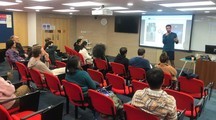
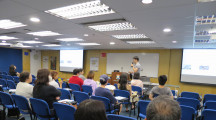
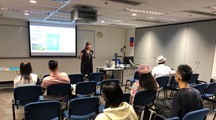
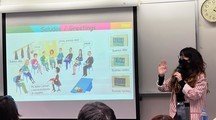
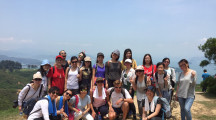
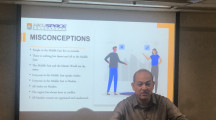
最后,您不能错过我们有趣的文化课程和活动,文化课程如『Introducing Italian Food and Drink』、『Learning Spanish through Yoga』等等让您能了解更多相关文化。我们每年也会针对一些主要的语言举办不同类型的工作坊和体验活动,例如德国品酒会、西班牙语行山乐、法国市集游等等,期望同学在课堂以外也能更多接触目标语言、彼此间在学习上有更多的文流。
我们的导师经验丰富、对语言教学充满热诚、且大部份均为母语导师,他们将悉心指导您在香港大学专业进修学院的学习之旅!


















你可能感兴趣
欧洲语言课程
99 项结果
- 排序方式
- 课程名称

本课程的对象为法语初学者或对法语只有初步认识的学员。它涵盖了一系列日常生活的主题和情境,发展学员的口语、听力、阅读和写作四种技能,配合相应的语法、词汇和发音练习。在课程结束时,学生应能理解并使用基本的日常短语来介绍自己,提出并回答有关个人基本资讯的问题,以及处理一般日常生活情况,例如购物、外出用餐、谈论他们的工作、家庭和兴趣等。
本课程涵盖欧洲语言共同参考架构(CEFR)A1等级的内容。
本课程涵盖欧洲语言共同参考架构(CEFR)A1等级的内容。
PT
开课日期 2026年9月12日 (星期六)
修业期 120小时
课程费用 HK$9,550
本课程是为成功修毕「法语证书(中高级)」(Certificate in French (Upper Intermediate))或相当於350至370小时的同等课程的学员而设的。学员将进一步深化其法语讲说技巧,表达对文化、体育、饮食、时事、地方活动、假期和当今世界的看法。学员将阅读更多真实的文本和作出回应,并以口语和书面形式发表评论。学员还会聆听歌曲和母语者的录音,如公共广播和详细的说明。在课程结束时,学生应该能够更详细且流畅地谈论各种主题,撰写不同类型文本,涉及更抽象的内容和文化问题,并能够在聆听清晰录音或阅读各类文本时总结主要观点。
本课程涵盖欧洲语言共同参考架构(CEFR)B2等级的内容。
PT
开课日期 2026年9月12日 (星期六)
修业期 120小时
课程费用 HK$10,250
本课程是为成功修毕「法语证书(初级)」(Certificate in French (Introductory))或相当於110至130小时的同等课程的学员而设的,旨在巩固学员的语言基础及加强其对相关语法的应用。在课程结束时,学员应该能够更有信心地以德语谈论如家庭、朋友、休闲活动、饮食、过去和未来的情况等不同的主题。不论在阅读还是聆听方面,学员都应能掌握重点,还可以写一些简单的文本,例如明信片和电子邮件等。
本课程涵盖欧洲语言共同参考架构(CEFR)A2等级的内容。
本课程涵盖欧洲语言共同参考架构(CEFR)A2等级的内容。
PT
开课日期 2026年9月12日 (星期六)
修业期 120小时
课程费用 HK$9,850
本课程是为完成了「法语证书(中级)」(Certificate in French (Intermediate))或相当於230至250小时的同等课程的学员而设的,让他们在已建立的语言基础上加强语法及其他相关技巧。学员透过简单的讨论、角色扮演和小组活动等各不同形式的训练,以提升其讲说德语的能力和自信。在课程结束时,学生应该能够用该语言表达简单的意见和感受以及谈论过去、现在和未来;他们还应该能够从简单的广告中读取信息,并使用多种动词时态在熟悉的话题上写作。
本课程涵盖欧洲语言共同参考架构(CEFR)B1等级的内容。
PT
开课日期 2026年9月12日 (星期六)
修业期 120小时
课程费用 HK$10,250
本课程是为成功修毕「德语证书(初级)」(Certificate in German (Introductory))或相当於110至130小时的同等课程的学员而设的,旨在巩固学员的语言基础及加强其对相关语法的应用。在课程结束时,学员应该能够更有信心地以德语谈论如家庭、朋友、休闲活动、饮食、过去和未来的情况等不同的主题。不论在阅读还是聆听方面,学员都应能掌握重点,还可以写一些简单的文本,例如明信片和电子邮件等。
本课程涵盖欧洲语言共同参考架构(CEFR)A2等级的内容。
PT
开课日期 2026年9月12日 (星期六)
修业期 120小时
课程费用 HK$9,850
本课程的对象为德语初学者或对德语只有初步认识的学员。它涵盖了一系列日常生活的主题和情境,发展学员的口语、听力、阅读和写作四种技能,配合相应的语法、词汇和发音练习。在课程结束时,学生应能理解并使用基本的日常短语来介绍自己,提出并回答有关个人基本资讯的问题,以及处理一般日常生活情况,例如购物、外出用餐、谈论他们的工作、家庭和兴趣等。
本课程涵盖欧洲语言共同参考架构(CEFR)A1等级的内容。
PT
开课日期 2026年9月12日 (星期六)
修业期 120小时
课程费用 HK$9,550
本课程是为完成了「意大利语证书(初级)」(Certificate in Italian (Introductory))或相当於110至130小时的同等课程的学员而设的,以巩固学员的语言基础并加强他们的语法应用。在课程结束时,学员应能在交流方面更自信地谈论一些话题,例如家庭、朋友、休闲活动、饮食,过去和未来的情况等。不论在阅读还是聆听方面,学员都应能掌握重点,还可以写一些简单的文本,例如明信片和电子邮件等。
本课程涵盖欧洲语言共同参考架构(CEFR)A2等级的内容。
PT
开课日期 2026年9月12日 (星期六)
修业期 120小时
课程费用 HK$9,850
本课程的对象为意大利语初学者或对意大利语只有初步认识的学员。它涵盖了一系列日常生活的主题和情境,发展学员的口语、听力、阅读和写作四种技能,配合相应的语法、词汇和发音练习。在课程结束时,学生应能理解并使用基本的日常短语来介绍自己,提出并回答有关个人基本资讯的问题,以及处理一般日常生活情况的情景,例如购物、外出用餐、谈论他们的工作、家庭和兴趣等。
本课程涵盖欧洲语言共同参考架构(CEFR)A1等级的内容。
PT
开课日期 2026年9月12日 (星期六)
修业期 120小时
课程费用 HK$9,550
本课程是为完成了「意大利语证书(中级)」(Certificate in Italian (Intermediate))或相当於230至250小时的同等课程的学员而设的,让他们在已建立的语言基础上加强语法及其他相关技巧。学员透过简单的讨论、角色扮演和小组活动等各不同形式的训练,以提升其讲说德语的能力和自信。在课程结束时,学生应该能够用该语言表达简单的意见和感受以及谈论过去、现在和未来;他们还应该能够从简单的广告中读取信息,并使用多种动词时态在熟悉的话题上写作。
本课程涵盖欧洲语言共同参考架构(CEFR)B1等级的内容。
PT
开课日期 2026年9月12日 (星期六)
修业期 120小时
课程费用 HK$10,450
本课程旨在:
- 让学员了解基本对话中使用的简单短语和句子,如:自我介绍、问候、预订酒店房间、点餐、谈论工作、问路、谈论喜好和假期。
- 为学员提供简单沟通所需的基本语法和词汇,如现在式、形容词、冠词、基本情态动词(如 poder 和 dever)及地点介词。
- 让学员掌握基本聆听技巧,能理解比较清晰和缓慢的简单日常对话。
- 让学生了解一些葡萄牙文化,如饮食、问候、节日和地域等。
- 使学生能从简易的文本如表格、餐牌和简单的文章中提取资讯,并能撰写简短的明信片和填写表格,如酒店登记表。
PT
开课日期 2026年9月12日 (星期六)
修业期 120小时
课程费用 HK$9,750


