常見問題
常見問題  登入成功
登入成功 
語言 歐洲語言
為什麼學習法語/西班牙語/德語/意大利語/葡萄牙語/拉丁語/阿拉伯語/波蘭語/瑞典語/俄語@HKUSPACE
歐洲語言
歡迎造訪我們的歐洲語言網站
我們提供的語言課程除了有西班牙語、法語、德語、意大利語和葡萄牙語之外,也有一些坊間較少見的語言如瑞典語、芬蘭語、荷蘭文、阿拉伯語、希臘語、拉丁語、波蘭語、葡萄牙語、俄語和土耳其語。
我們的證書課程為期 120 小時,大部分是持續進修基金(CEF)的認可課程,並設有期中和期末考試,包括筆試(聽、讀、寫、文法和詞彙)和口試。
此外,我們還提供30小時的短期課程,不設考試,讓您能更輕鬆地嘗試接觸和簡單學習目標語言,例如針對旅行者、商業人士或一般初學者的短期課程,除平日晚上以外,部份課程也會在平日上午或週末進行。
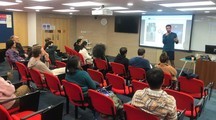
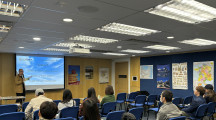
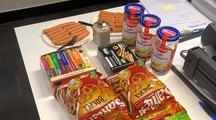
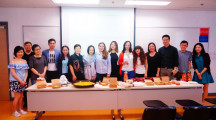
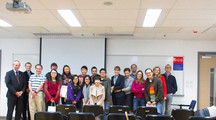
最後,您不能錯過我們有趣的文化課程和活動,文化課程如『Introducing Italian Food and Drink』、『Learning Spanish through Yoga』等等讓您能了解更多相關文化。我們每年也會針對一些主要的語言舉辦不同類型的工作坊和體驗活動,例如德國品酒會、西班牙語行山樂、法國市集遊等等,期望同學在課堂以外也能更多接觸目標語言、彼此間在學習上有更多的文流。
我們的導師經驗豐富、對語言教學充滿熱誠、且大部份均為母語導師,他們將悉心指導您在香港大學專業進修學院的學習之旅!









你可能感興趣
歐洲語言課程
99 項結果
- 排序方式
- 課程名稱

本課程的對象為法語初學者或對法語只有初步認識的學員。它涵蓋了一系列日常生活的主題和情境,發展學員的口語、聽力、閱讀和寫作四種技能,配合相應的語法、詞彙和發音練習。在課程結束時,學生應能理解並使用基本的日常短語來介紹自己,提出並回答有關個人基本資訊的問題,以及處理一般日常生活情況,例如購物、外出用餐、談論他們的工作、家庭和興趣等。
本課程涵蓋歐洲語言共同參考架構(CEFR)A1等級的內容。
本課程涵蓋歐洲語言共同參考架構(CEFR)A1等級的內容。
PT
開課日期 待定
修業期 120小時
課程費用 HK$9,550
The Test de Connaissance du Français (TCF) is a language placement test for non-native speakers of French. Anyone who would like to test their French language proficiency can take the international benchmark exam, after which candidates will receive a certificate issued by the French Ministry of Education, which is valid for 2 years.
Why should we take the TCF?
Why should we take the TCF?
- Compendious Assessment: The TCF evaluates your French languages skills in a comprehensive way with different language aspects included.
- International accreditation: The TCF is administered by the Centre International d'Etudes Pédagogiques (CIEP) for the French Ministry of Education. It is designed and accredited according to international standards.
- Pathway to Overseas Studies: The TCF is widely recognized by higher educational institutions, universities and government authorities.
- Professional Development: The results of the benchmark exam, which are also recognized in the professional sector, could be used to endorse your job applications or career development.
- CEF Reimbursement: Under the scheme of CEF, both the fee of the certificate courses offered by HKU SPACE and the TCF exam fee are reimbursable.
PT
Start 07 NOV 2026 (SAT)
Duration 1.5 hours to 2 hours
Fee HK$1,400
本課程是為成功修畢「德語證書(中高級)」(Certificate in German (Upper Intermediate))或相當於350至370小時的同等課程的學員而設的。學員將進一步深化其德語講說技巧,表達對文化、體育、飲食、時事、地方活動、假期和當今世界的看法。學員將閱讀更多真實的文本和作出回應,並以口語和書面形式發表評論。學員還會聆聽歌曲和母語者的錄音,如公共廣播和詳細的說明。在課程結束時,學生應該能夠更詳細且流暢地談論各種主題,撰寫不同類型文本,涉及更抽象的內容和文化問題,並能夠在聆聽清晰錄音或閱讀各類文本時總結主要觀點。
本課程涵蓋歐洲語言共同參考架構(CEFR)B1+等級的內容。
本課程涵蓋歐洲語言共同參考架構(CEFR)B1+等級的內容。
PT
開課日期 待定
修業期 120小時
課程費用 HK$10,450

The programme aims to:
- Introduce students to simple phrases and sentences used in basic conversation.
- Teach students the basic grammar and vocabulary needed for simple communication.
- Provide students with the techniques needed to listen with confidence to simplified, everyday dialogues when spoken clearly and slowly.
- Introduce students to some aspects of Spanish-speaking cultures such as places for travel and traditional clothing.
- Enable students to extract information from simple written texts such as forms, and short, simplified articles, and to write short, simple emails and fill in information on a form.
PT
Start To be advised
Duration 60 hours
Fee HK$5,450
The programme aims to:
- Introduce students to simple phrases and sentences used in basic conversation.
- Teach students the basic grammar and vocabulary needed for simple communication.
- Provide students with the techniques needed to listen with confidence to simplified, everyday dialogues when spoken clearly and slowly.
- Introduce students to some aspects of German-speaking cultures such as places for travel and traditional clothing.
- Enable students to extract information from simple written texts such as forms, and short, simplified articles, and to write short, simple emails and fill in information on a form.
PT
Start To be advised
Duration 60 hours
Fee HK$5,450
The programme aims to:
- Introduce students to very simple phrases and sentences used in basic conversation.
- Teach students the very basic grammar and vocabulary needed for very simple communication.
- Provide students with the techniques needed to listen with confidence to simplified, everyday dialogues when spoken very clearly and slowly.
- Introduce students to some aspects of Spanish-speaking cultures such as food and drink, greetings, festivals and places.
- Enable students to extract information from very simple written texts such as forms and menus, and to write very short, simple emails and fill in information on a form.
PT
Start To be advised
Duration 60 hours
Fee HK$5,450
The programmeaims to:
- Introduce students to very simple phrases and sentences used in basic conversation.
- Teach students the very basic grammar and vocabulary needed for very simple communication.
- Provide students with the techniques needed to listen with confidence to simplified, everyday dialogues when spoken very clearly and slowly.
- Introduce students to some aspects of German-speaking cultures such as food and drink, greetings, festivals and places.
- Enable students to extract information from very simple written texts such as forms and menus, and to write very short, simple emails and fill in information on a form.
PT
Start To be advised
Duration 60 hours
Fee HK$5,450
This programme can be taken upon successful completion of the Certificate in Italian (Upper Intermediate) or an equivalent programme of 350-370 hours. Students will practise speaking skills, expressing opinions on culture, sport, food & drink, current affairs, local events, holidays & the world today. They will read and react to authentic texts, making comments in both the spoken and written forms. Students will also listen to songs and recordings of native speakers such as public announcements and detailed instructions.
By the end of the programme, students should be able to talk about various topics in a more detailed and fluent way , write different types of texts regarding more abstract and cultural matters, summarise the main ideas when listening to clear speeches or reading a wide range of texts.
By the end of the programme, students should be able to talk about various topics in a more detailed and fluent way , write different types of texts regarding more abstract and cultural matters, summarise the main ideas when listening to clear speeches or reading a wide range of texts.
PT
Start To be advised
Duration 40 weeks
Fee HK$10,450
本課程是為成功修畢「法語證書(中高級)」(Certificate in French (Upper Intermediate))或相當於350至370小時的同等課程的學員而設的。學員將進一步深化其法語講說技巧,表達對文化、體育、飲食、時事、地方活動、假期和當今世界的看法。學員將閱讀更多真實的文本和作出回應,並以口語和書面形式發表評論。學員還會聆聽歌曲和母語者的錄音,如公共廣播和詳細的說明。在課程結束時,學生應該能夠更詳細且流暢地談論各種主題,撰寫不同類型文本,涉及更抽象的內容和文化問題,並能夠在聆聽清晰錄音或閱讀各類文本時總結主要觀點。
本課程涵蓋歐洲語言共同參考架構(CEFR)B2等級的內容。
PT
開課日期 待定
修業期 120小時
課程費用 HK$10,250
本課程是為成功修畢「法語證書(初級)」(Certificate in French (Introductory))或相當於110至130小時的同等課程的學員而設的,旨在鞏固學員的語言基礎及加強其對相關語法的應用。在課程結束時,學員應該能夠更有信心地以德語談論如家庭、朋友、休閒活動、飲食、過去和未來的情況等不同的主題。不論在閱讀還是聆聽方面,學員都應能掌握重點,還可以寫一些簡單的文本,例如明信片和電子郵件等。
本課程涵蓋歐洲語言共同參考架構(CEFR)A2等級的內容。
本課程涵蓋歐洲語言共同參考架構(CEFR)A2等級的內容。
PT
開課日期 待定
修業期 120小時
課程費用 HK$9,850